-
What a field cultivator actually does underground
-
Why a wide sweep is not a narrow tine
-
Why even mixing matters more than a clean pass
-
Blade pitch changes how much soil you move
-
Three design shifts behind today's cultivator points
-
Shank spacing, speed and depth control residue burial
-
What to verify before you buy for incorporation
Picture two passes over the same field, same day, same herbicide mix. On the first, wide sweeps lift the surface soil and residue and roll them into a blended layer, so the chemical goes into that layer evenly. On the second, narrow points only crack the soil open, and the material sits in streaks along the lines the shanks traveled. Same tractor, same rate, two very different seedbeds.
The difference is not the color of the frame or the width of the bar. It is the shape of the point in the ground and the pitch you set it at. Buyers who shop by spec sheet miss that, then blame the chemical for a streak they built themselves.
What a field cultivator actually does underground
A field cultivator is a secondary tillage tool. It runs behind the primary pass and ahead of the planter, and its job is to work the top layer of soil into something a seed can go into. The shanks carry the ground-engaging points, and those points are the only part of the machine that touches soil. Everything the tool does starts there.
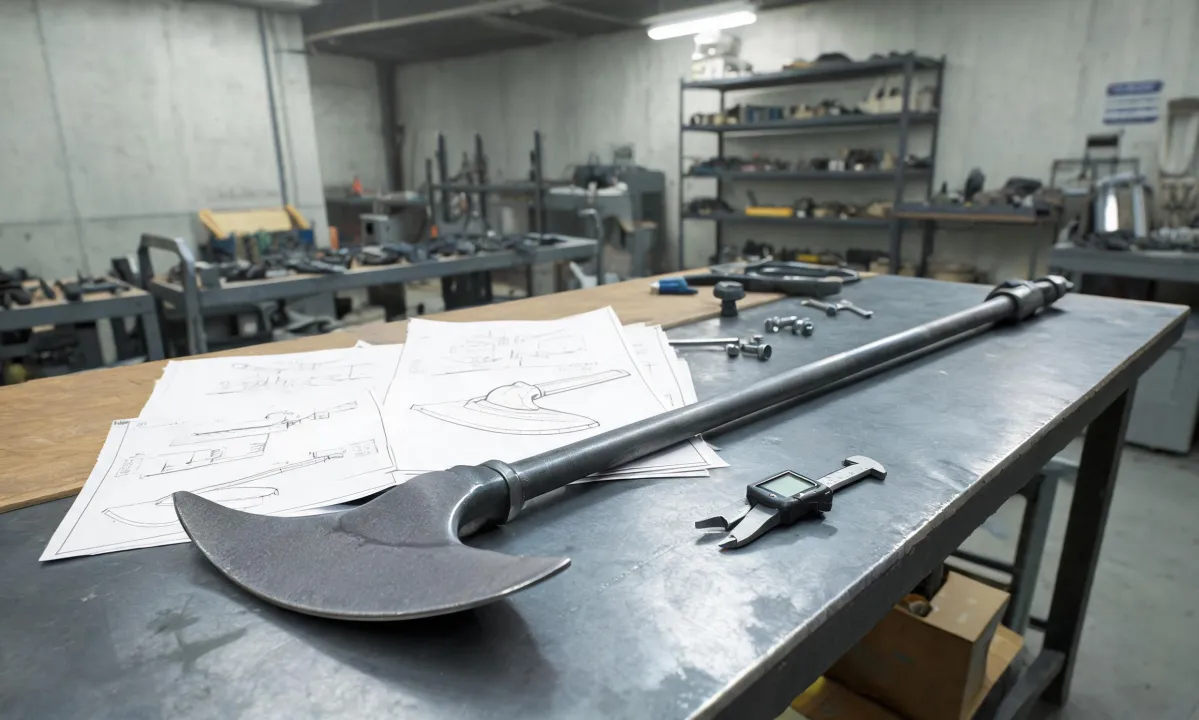
Point shape decides the action. Narrow tines tend to fracture the soil, opening it and cracking the profile roughly where they run. Wider sweeps tend to lift surface soil and residue and mix them, which is why wide sweeps are the common choice for chemical incorporation. Frame weight and working width change how much ground you cover in an hour. They do not change what happens at the tip.
Why a wide sweep is not a narrow tine
The distinction that matters is fracture against mixing. They are not the same operation run at different intensity.
A narrow tine splits the profile in place. Soil opens along the line of travel, the residue above it mostly stays above it, and the loosened material falls back close to where it started. Air and water move better through that crack, and the depth of actual mixing stays small.
A wide sweep does something else. It gets under the surface layer, lifts it, and rolls it across the face of the steel. Soil, residue and anything spread on top pass over the sweep together and land mixed. That lift-and-roll is what makes a sweep useful for fertilizer and herbicide work, and it is also the reason a sweep asks more of the shanks than a tine that only cracks.
Neither shape is better in the abstract. They solve different problems, and a machine set up for one does a poor job of the other.
Why even mixing matters more than a clean pass
Uniformity is the whole point of an incorporation pass. A chemical that ends up concentrated in bands along the shank lines is not incorporated. It is banded by accident, and the crop will show you where.
Imagine two growers on comparable ground, both spreading the same material ahead of the pass. The first runs wide sweeps set to lift and roll the surface layer. The material goes into the worked layer and comes out distributed across the width of the machine. The second runs narrow points to save draft. The points crack the soil, the surface stays roughly where it was, and most of the material remains near the top in strips that follow the shanks. Same product, same spreader setting, two different distributions in the seedbed. The second grower will not see it until the crop comes up uneven, and by then the pass is long gone.
Even mixing also buys a more forgiving planting window. A blended layer generally dries and warms more evenly than a field marked by alternating loosened and undisturbed strips.
Blade pitch changes how much soil you move
Blade pitch is the second lever, and it is the one most operators leave where it was set at the factory.
Setting a blade at a sharper angle, or pitch, usually means more soil will be disturbed. The steel meets the ground at a steeper approach, lifts more, and throws the material further before it settles back.
More disturbance. That is the trade.
A sharper pitch gets you more mixing in a single pass, but it also throws more residue under the surface and loads the shanks harder. Push it far enough and you are burying cover you wanted to keep, wearing points faster and working the tractor harder than you need to.
Lay a blade back instead and you protect residue and cut draft, but the sweep starts sliding over the surface instead of lifting it. The material stays near the top, the blend gets thin, and the pass stops doing the job you bought the tool for.
Suppose you run the same cultivator over the same field twice, once with blades laid back and once pitched up. Same machine. What changes is how much of the surface layer gets lifted and turned and how much residue goes under with it, and the pitched-up pass will look more worked and bury more of what was on top. Whether that is a gain or a loss depends on how much cover you need to keep.
Three design shifts behind today's cultivator points
Point design did not arrive where it is in one step. Earlier field cultivators were built around narrow, fracture-type points. The job was to open tight ground and break a crust ahead of the planter, and a tine that cracked the profile did that with the least draft.
The later shift went toward wider sweeps, because growers started asking the same tool to do more than loosen soil. Once a pass has to move surface material and residue, the narrow point runs out of ability. It cracks, it does not blend.
Current points are sold specifically for chemical incorporation work, and their geometry follows from that: more sweep face, more lift, more roll. These are stages of design logic, not dated product versions. No dated source sits behind the sequence, and the actual point geometry still has to come from the builder's literature for the machine you are looking at.
Shank spacing, speed and depth control residue burial
Three settings shape how much residue goes under: shank spacing on the implement, operating speed and operating depth. All three influence how much residue any tillage implement buries.
Spacing sets how much soil each shank is asked to move. Closer spacing means more shanks across the same width and more complete disturbance across the bar. Wider spacing leaves strips between shanks that the points never touch. Speed changes how hard the sweep throws material, since faster travel throws residue further and mixes it deeper into the flow. Depth decides whether the sweep is working the surface layer or reaching below it.
The tradeoff runs one way and then reverses. More burial serves incorporation, because the material ends up inside the worked layer instead of on top of it. Less burial protects surface cover, which you may need for erosion control and moisture retention. The same machine sits on either side of that line depending on how it is set, which is why two growers with identical equipment can get completely different results and both blame the tool.
What to verify before you buy for incorporation
Before committing to a machine for incorporation work, get three things confirmed in writing rather than inferred from a brochure.
Ask what soil conditions the frame and shanks are built for, including the range of moisture and texture the builder expects and what happens outside it. Wet soil is the condition to raise first. Get the builder's answer on how the machine behaves in wet ground, and whether any setting change is approved for it, rather than assuming a pitch adjustment will solve it.
Ask for the traction and hitch requirements for your tractor on your ground, in the configuration you intend to run.
Ask the dealer for the maintenance torque values and wear limits out of the specific machine's manual. None of those figures were verified here, and treat them as specific to that manual and model rather than something to carry over. The mechanism described above is category-level: what a sweep does in soil and which variables move the result. It cannot confirm any current product's configuration, settings or price.
That leaves one clean decision. Wide sweeps and a sharper pitch get you more mixing and more buried residue, and you pay for it in surface cover, faster point wear and a narrower window of soil conditions the pass will work in. Narrow points and a laid-back pitch protect cover and draft, and you give up uniformity in the blend. Decide which of those you can afford to lose before you set the tool, then check the rest against the manual for the machine in front of you.
